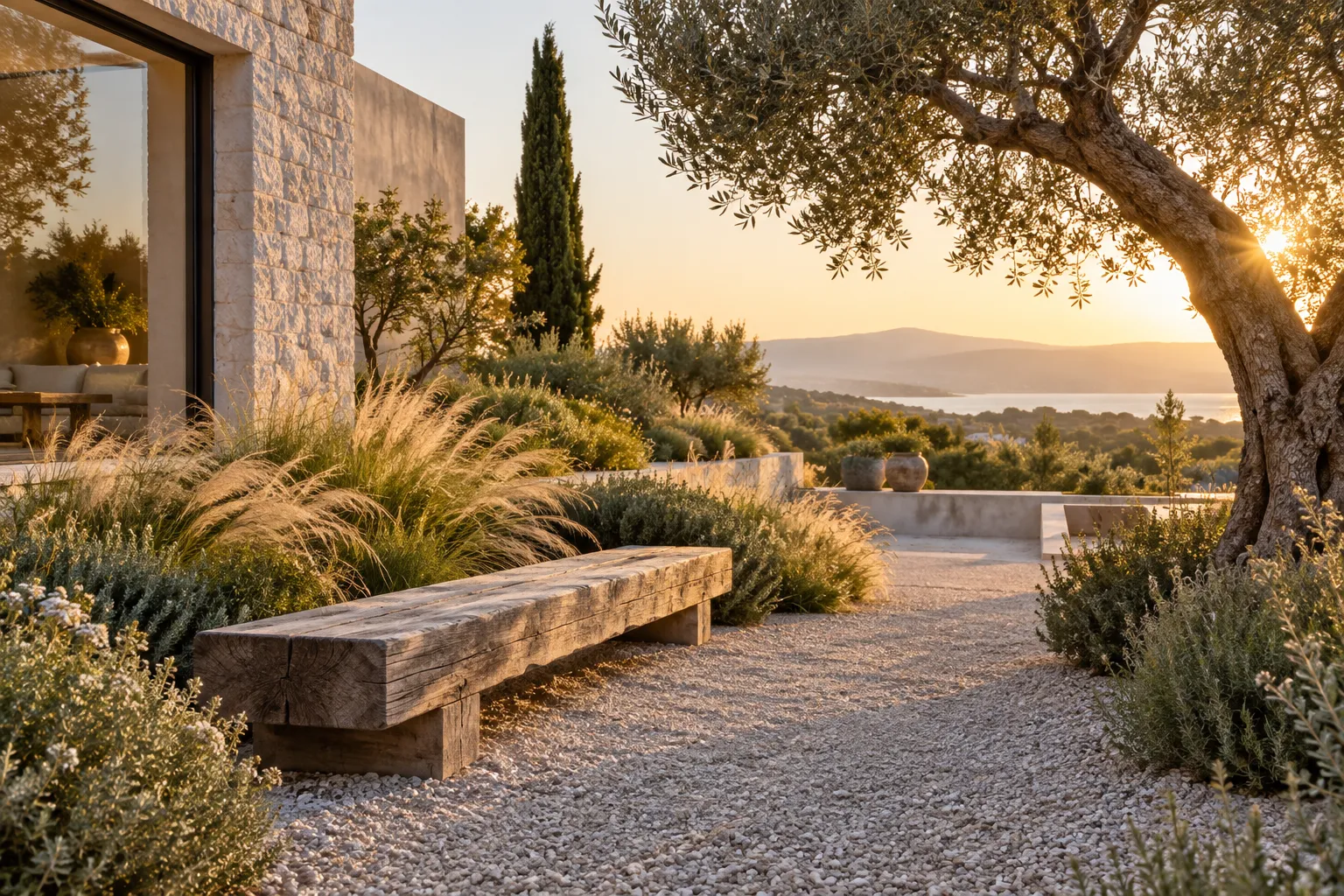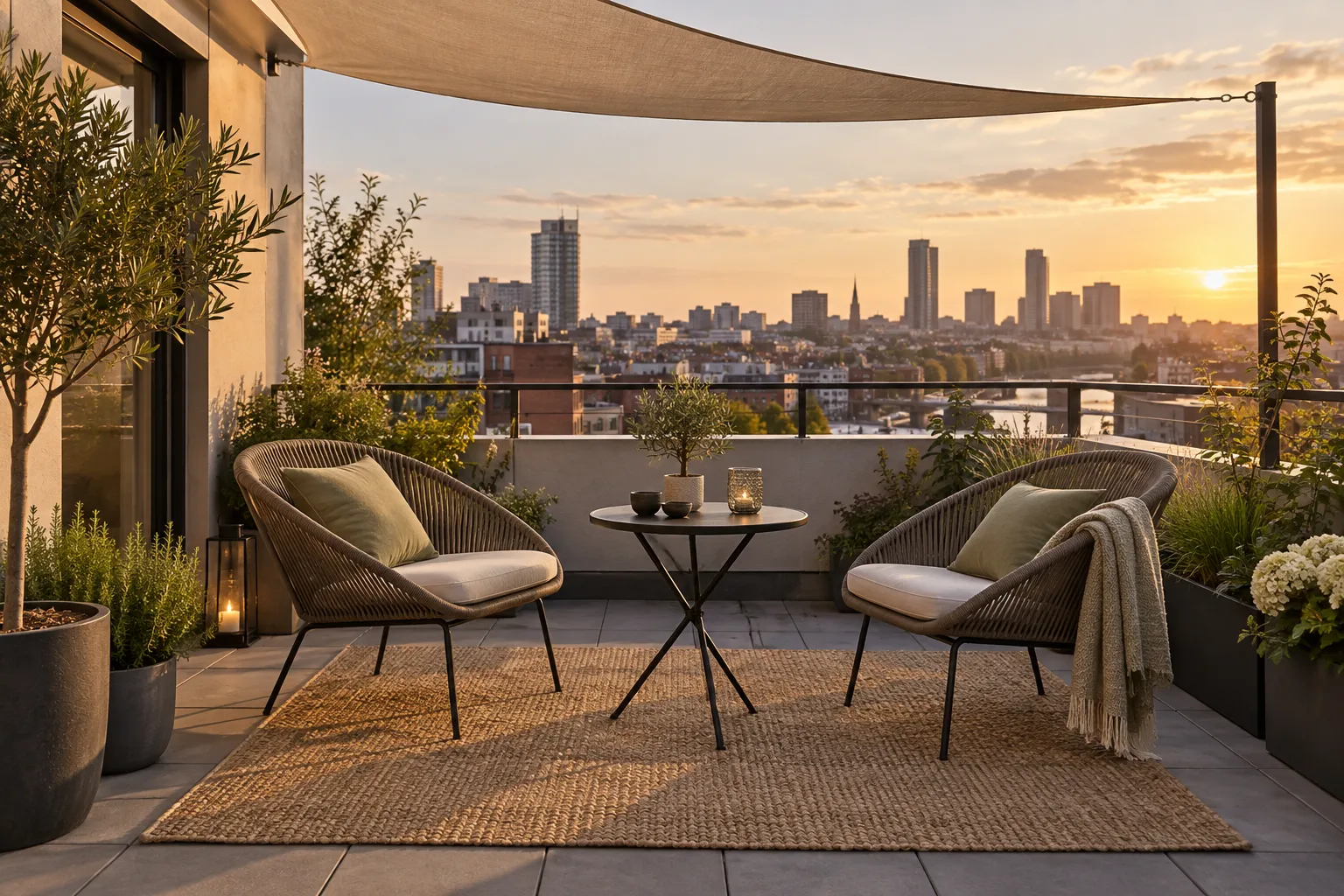
A small terrace can feel like a useful extension of a home or like a narrow place where furniture is stored. The difference is often scale and intention. A compact outdoor area rarely needs a complete miniature living-room set. It needs a clear reason to step outside, a comfortable place to stay, and a route that remains easy when plants and chairs are in place. Good design begins with how the terrace is reached and what the household wants to do there. Outdoor furniture is exposed to sun, rain, wind, and storage constraints that indoor furniture does not face. A chair that looks delicate in a photograph may be awkward to move through the door; a large table may leave no room to sit. Before shopping, measure the available floor and observe the terrace at different hours. A modest arrangement that suits its climate and use can make a small space feel generous without filling it.
Decide what the terrace is for
Choose one primary activity. It might be morning coffee, reading, eating with one other person, growing herbs, or simply opening the room to fresh air. Each calls for a different arrangement. A dining set is appropriate only if meals will happen there often enough to justify its footprint. A single generous chair and small table may be better for reading. Planting can be the focus if the terrace is mainly viewed from indoors.
Secondary activities can be supported without giving each a permanent piece of furniture. A folding stool may accommodate an occasional guest. A tray can turn a small side table into a place for a meal. A planter with a broad edge can provide a temporary surface if its construction permits. Flexibility is valuable when it reduces the number of objects that must live outdoors all year.
Be realistic about exposure and privacy. A windy terrace may be pleasant for a short coffee but uncomfortable for long meals. A view into neighboring windows can make a beautiful chair rarely used. Solve the condition that limits use before investing in more furniture. Sometimes shade, a screen, or a better seat position contributes more than a larger set.
Measure the full movement, not just the furniture
Sketch the terrace, including door swing, railings, drains, utility access, and the route from inside. Tape out the footprint of proposed pieces and imagine them occupied. A chair needs space to pull back; a folding table needs clearance when open. Leave a route to planters, windows, and any equipment that must be maintained. Even a few inches can decide whether the terrace feels comfortable or crowded.
Check the opening through which furniture must pass. A compact table may arrive assembled and be too wide for a narrow door or stair. A modular or folding piece may solve delivery and winter storage, but confirm its dimensions in both states. If the terrace is part of an apartment building, follow any rules about load, attachments, drainage, and what may be placed near railings.
Consider the view from the interior. Furniture that blocks the glass can make the adjacent room feel smaller. Lower profiles or pieces placed toward one side may preserve daylight and a long view. The terrace should improve the rooms connected to it even when nobody is outside.
Choose seating for the time you want to spend
Outdoor seating varies widely in posture. A low lounge chair may be relaxing but make eating at a table awkward. A slim dining chair may fit perfectly yet feel hard after a long conversation. Decide how long people are likely to sit and what they will do while seated. Test the chair if possible, including getting in and out in the limited terrace space.
One comfortable seat can be more valuable than four compromised ones. If guests are occasional, use stackable or folding extras that can be stored elsewhere. A bench along a wall may create a clean line and hold more people, but check seat depth, back support, and drainage. Built-in furniture requires particular attention to weather exposure and building rules; it may be less adaptable than movable pieces.
Cushions improve comfort but create a care problem if there is no place to dry or store them. Ask how covers should be cleaned and whether they can remain outside in the local conditions. A chair that is comfortable without a loose cushion may be easier to use spontaneously. The best arrangement makes stepping outside feel effortless rather than like setting up an event.
Keep the table proportionate to its task
A terrace table can support a cup, a book, or a meal, but not every surface needs to do all three. A small round table may allow easier movement in a tight footprint. A wall-mounted or folding table can create occasional dining space while leaving the floor clear at other times, provided installation is allowed and suitable. A narrow console may help with plants or serving but should not become an obstacle beside the door.
Check stability as well as size. Lightweight furniture can move in wind, and a tiny table may be easy to tip when loaded. Follow product guidance for outdoor use and do not leave unsecured objects where they could fall. A heavy table may solve wind concerns but place more load on the terrace and be difficult to move. If in doubt about structural capacity or attachments, consult a qualified local professional or building manager.
Think about the table's surface in ordinary use. Can it be wiped clean? Does rain collect on it? Does a textured top make glasses unstable? These small details matter when the table is used frequently. Choose the simplest form that supports the primary activity and leaves space around it.
Use shade and privacy selectively
Shade often determines whether a terrace is used in the warmest part of the day. Observe the sun's path before buying an umbrella, screen, or canopy. A solution that helps at noon may be ineffective when low afternoon sun enters from the side. Building rules, wind exposure, and safe attachment methods can limit options. A movable shade may be more adaptable, but it still needs a secure base and suitable conditions.
Privacy can be achieved through seating orientation as well as screens. Turning a chair toward a view or placing a planter at the edge of a sightline may make the space feel more sheltered without enclosing it. Tall screening can block light to the room inside and create wind load. Planting may soften views but requires enough soil volume, water, and maintenance to thrive.
Avoid solving every exposure problem with one large structure. A light-filtering layer at the window, a smaller screen, and a well-positioned seat may work together more gently. The terrace should remain comfortable to occupy and pleasant to look at from the home.
Choose materials for exposure and care
Outdoor materials are marketed with broad labels such as weather-resistant, but conditions vary. Direct sun, salt air, freeze-thaw cycles, persistent damp, and heavy rain create different demands. Read the maker's guidance for the specific product and consider where furniture will be stored when weather is severe. A piece may be suitable for outdoor use but still benefit from cleaning, covers, or seasonal storage.
Look at joints, fasteners, and places where water can collect. A smooth surface is easier to wipe than a complicated weave that traps debris, though texture can add comfort and character. Timber can bring warmth but may change appearance and require care. Metal can give a light visual profile, but finish and construction matter. The right material is one whose maintenance you are willing to perform.
Test colors beside the exterior wall and interior flooring. A terrace is often seen as part of an indoor room, so related tones can connect the two. Exact matching is less important than coherence. A restrained palette of furniture and planters can help a compact space feel calm even as plants grow and change.
Give plants enough room to thrive
Plants can make a terrace feel alive, provide modest screening, and improve the view from indoors. They also occupy floor area and need water, drainage, and access. Choose a few containers with enough volume for the selected plants rather than many tiny pots that dry quickly. Check where excess water goes and protect surfaces according to building requirements. A planter should not obstruct a drain or door.
Select plants for the terrace's light, wind, and climate, not only for the image on a label. A sheltered balcony and an exposed rooftop can behave very differently. A local nursery can help identify suitable species and realistic care needs. Taller plants may provide privacy but can be vulnerable to wind and may cast unwanted shade into the home.
Arrange planting around the experience of sitting and moving. A fragrant herb near a table can be enjoyable; a prickly or sprawling plant beside a narrow path is less so. Leave access for pruning and cleaning. Good planting makes a small terrace feel generous by adding depth, not by covering every remaining surface.
Make the terrace useful after sunset
A small amount of light can extend the terrace's use and preserve an appealing view from indoors. Begin with the activity: is light needed to read, eat, or simply find the route through the door? A portable outdoor-rated lamp may be enough for occasional evenings. Fixed lighting can be valuable, but it should be chosen and installed for the exposure and electrical requirements of the location by qualified professionals.
Avoid direct glare into windows or neighboring homes. A bright source on a small terrace can dominate both the outdoor space and the room behind it. Lower, shielded light may create a more comfortable atmosphere. Remember that light changes how plants and surfaces appear; test a temporary source before committing to a permanent position.
Plan where any portable lamps or cushions will be stored. A terrace that requires several objects to be carried out every evening may be used less than expected. The best design invites spontaneous use: open the door, sit down, and enjoy the space without a complicated setup.
Keep the arrangement adaptable
Terrace needs can change with seasons and household routines. Choose pieces that can be moved or stored without difficulty when flexibility matters. A pair of chairs may allow different arrangements for sun and shade, while a fixed bench offers a strong line but fewer options. Neither is automatically superior. Think about how the space will be used in spring, summer, and cooler months.
Test a minimal arrangement first. Place one seat, a useful surface, and perhaps one substantial planter. Live with that for a few weeks. You may discover that the best seat is not where the floor plan suggested, or that privacy matters more than another chair. Add only what solves a specific problem revealed by use.
Think ahead to the practical moments that photographs omit. Where will rainwater from cushions go? Can a window cleaner or maintenance worker reach the railing? Is there a place to put a drink when the table is folded? Does the arrangement still work when plants reach their mature size? If children or pets use the space, review the building's rules and the suitability of furniture and containers near edges. None of these questions requires a large terrace, but each affects whether the space feels easy to use. A compact outdoor room benefits from a little unassigned space. That margin makes it possible to move a chair toward the evening sun, bring out a guest seat, or tend a planter without first dismantling the entire arrangement.
Before buying the final pieces, ask: can everyone move safely, can the door operate freely, can water drain, and can the materials be cared for? Recheck those answers when the furniture is placed and occupied. The terrace does not need to resemble an indoor living room in miniature. Its value is in giving the home another kind of place to be, however small that place may be.
Pick one main activity, measure movement space, and solve shade and storage early.
These are general design considerations. Product dimensions, materials, installation requirements, and care instructions should be checked with the relevant maker or professional before purchase or work begins.